Give Your Making a Story People Can Explore
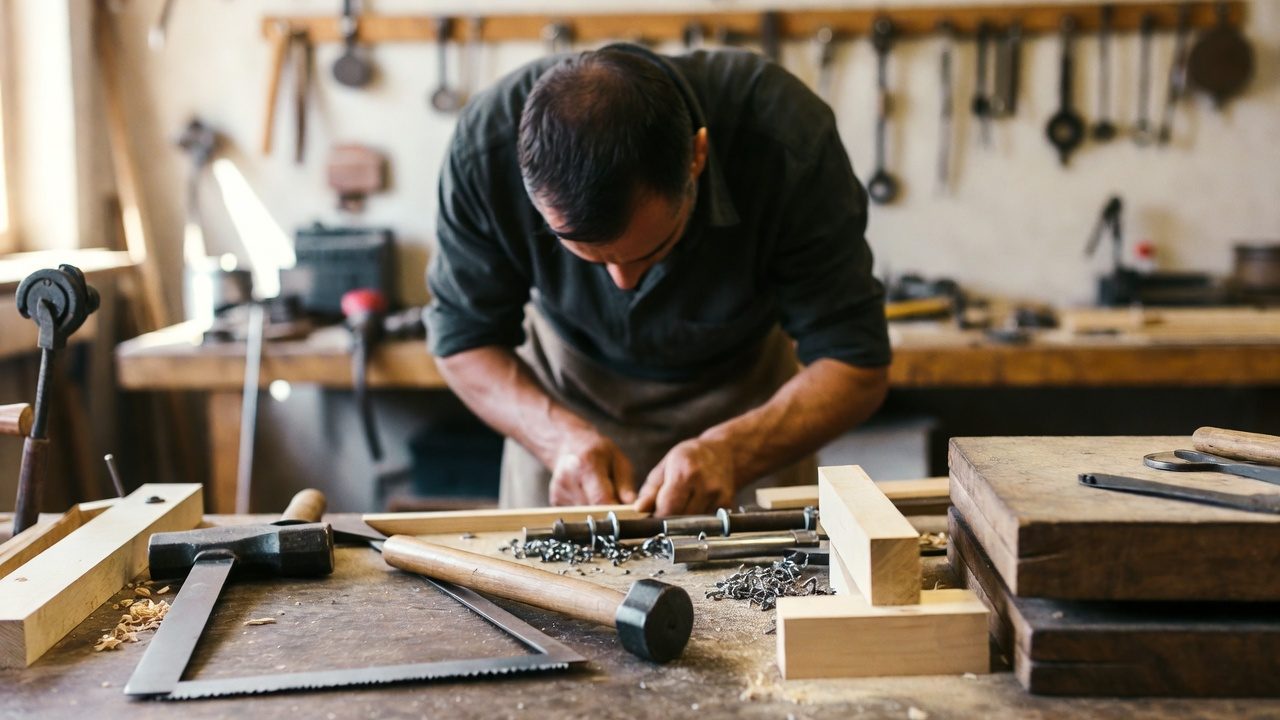
Image: Grok Imagine (SI-generated illustration).
A finished object rarely shows all the decisions behind it. Someone sees a bowl, a repaired chair or a small sculpture. You remember the material, the failed attempt, the adjustment and the reason you kept going.
An Asker can give those things a place together. People can look at your photographs, read the stories you choose to share and ask about the work. It helps you explain without turning every conversation into the same introduction.
Start with one piece
Imagine a woodworker who has made a serving board. A visitor asks, “Why did you choose that shape, and how should I care for it?”
With the maker's approved explanation, an example answer could describe the shape's intended use and point to the maker's care instructions. It should not guess that the finish is food-safe or invent treatment advice. Those details must come from the maker.
This is a hypothetical use, not a customer testimonial. A beginning could be as small as a photograph, a short note about the design and accurate care guidance. Together they give a visitor something more useful than a picture alone.
Share what helps, keep what is yours
You can explain the value of a piece without giving away every technique. The point is to help someone appreciate and use your work, not publish all your workshop knowledge. You choose which photographs, stories and lessons belong in public.
If an item is for sale, a clear offer can sit alongside that understanding once selling arrangements are in place. If it is a gift, an experiment or part of your own collection, it can remain a story rather than a product.
Reflection can belong to the work too
Some makers want a way to step back when they are stuck. An optional reflective game, INITIUM, offers a fresh starting point for discussion. One useful invitation is to examine the detail, then look at the wider picture until a next move becomes clearer. It is a way to think with the work, not a judgment of your talent.
Over time, a human-guided Witness record can help preserve what making taught you and what changed along the way. You choose what is shared. It need not become a list of awards or a public account of private experiences.
Read the overview, explore the writer's example, or use the first-time questions to consider your choices. Visit the demonstration and use Ask US for an exploratory question about your own work.